The short version
For water damage cleanup safety in Acampo, keep children and pets out of wet rooms, out of the work zone and away from cleaning products. Ready.gov says children should not take part in flood cleanup, and the CDC warns that mold can trigger asthma. Leave the house if the water was contaminated.
How do I keep children and pets safe during water damage cleanup?
Keep them out of the wet area, out of the work zone and away from anything you are cleaning with. Water damage brings hazards that small bodies handle worse than adult ones: contaminated water, mold, electricity, cords, chemicals and weak floors. Separate space is the simplest protection.
Ready.gov says children should not take part in cleanup after a flood. That advice is aimed at floods, but the reasoning carries over to any wet, damaged room. Children copy adults, so a child who sees you wading in will want to help.
This site is an information resource, so the advice here is general. For a specific health worry, talk to your pediatrician or your veterinarian.
Which hazards matter most around kids and pets?
Four groups of hazards cause most of the trouble: dirty water, mold, electrical and mechanical risks, and cleaning products. Each one is easy to overlook because it looks harmless to a toddler or a dog. Sort your house by these groups before you let anyone back in.
| Hazard | Why it matters | What to do |
|---|---|---|
| Dirty water | Sewage and flood water are Category 3 in the IICRC S500 water categories | Keep children and pets out until a provider has handled it |
| Mold | The CDC lists coughing, wheezing and burning eyes, with stronger reactions in people with asthma | Close off the room and keep those people away |
| Electricity and equipment | Wet outlets, extension cords and running fans are in reach of small hands and paws | Block the room and route cords out of walkways |
| Cleaning products | Bleach and other cleaners are poisonous if swallowed and unsafe to mix | Store them up high and clear away buckets after use |
Our guide to mold after water damage goes deeper on the second row.
Is the water itself a danger to children and pets?
It can be. Clean water from a supply line is the mildest case, but water that has touched a floor for a day or more is not clean anymore. Sewage and flood water are worse. Anyone, including a pet that laps at puddles, can pick up germs from them.
The IICRC S500 standard groups water into three categories, from clean supply water to grossly contaminated water such as sewage and rising flood water. For sewage or other dirty water, the EPA's cleanup page sends homeowners to a professional used to that work.
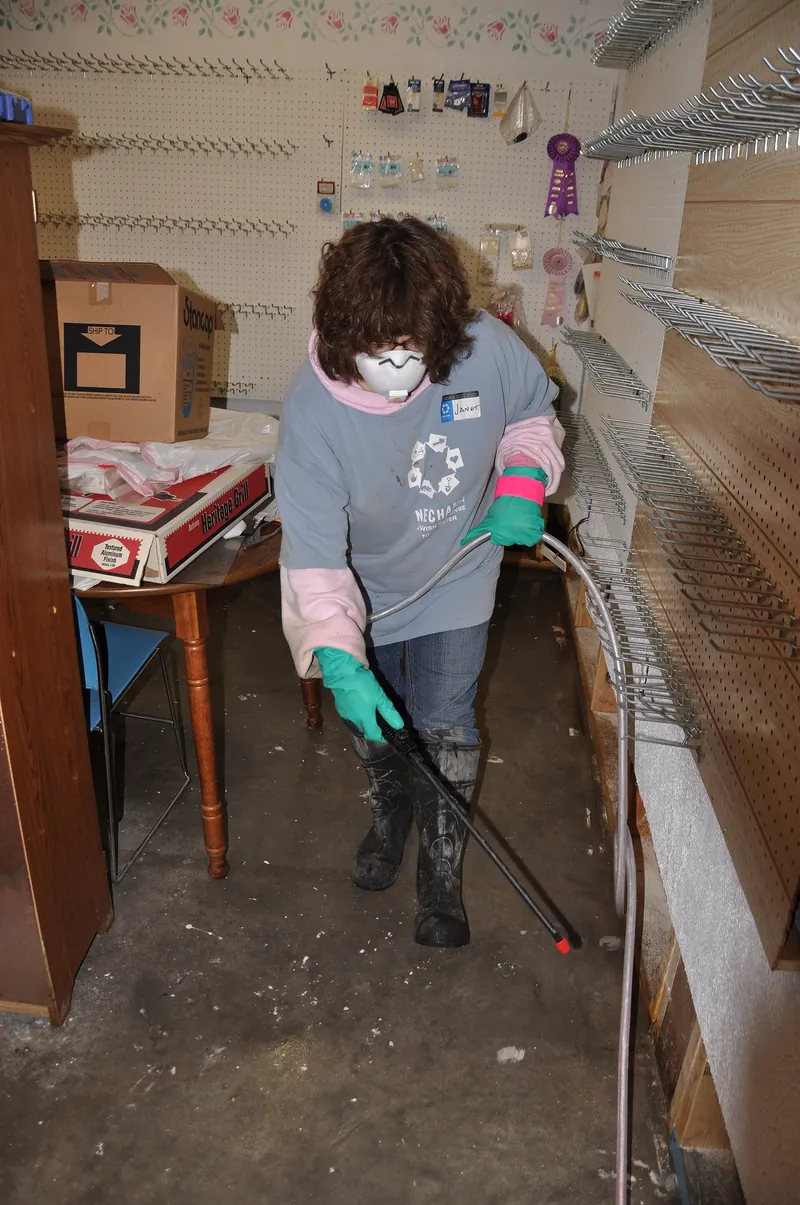

For the details on dirty water, read sewage backup cleanup and flood cleanup. Dogs and cats also track what they step in, so wipe paws after a trip through a wet room.
Can mold make children or pets sick?
Mold can cause symptoms, and the risk is higher for some people. According to the CDC, mold can bring on a stuffy nose, a sore throat, wheezing, itchy burning eyes or a rash, and anyone with asthma or a mold allergy may have a severe reaction. Its page does not cover pets, so ask a vet.
Ready.gov tells anyone with asthma, lung disease or a weak immune system to avoid buildings that have indoor leaks or mold you can see or smell. Many parents of children with asthma treat that as a rule for the whole family until the room is fixed.
The California Department of Public Health notes that the state has no exposure limits for indoor mold. So there is no number that tells you a room is safe. Use your eyes, your nose and how your child feels, and call a doctor if symptoms continue.
What are the electrical and tripping risks?
Wet wiring, outlets and appliances can shock anyone who touches them, and a cord across a wet floor invites a fall. Ready.gov's rule is to leave wet electrical equipment alone, and never to touch it while standing in water. Children and pets do not know that, so keep them out of the room.
A ceiling that bulges or a floor that feels soft can fail under a small child, and curious pets find the damaged spot first. Put a gate or a closed door in the way. Our ceiling water damage guide explains how to relieve a bulge safely.
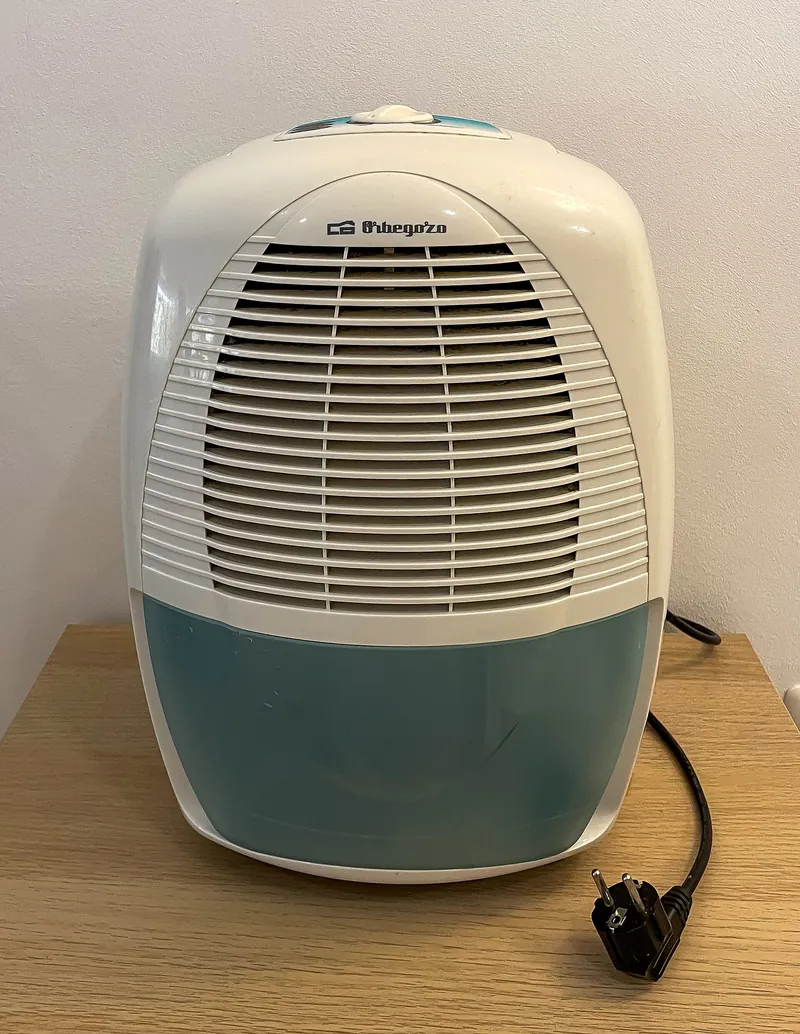
Drying equipment adds cords, hot exhaust and moving parts. Ask the restoration provider where fans and dehumidifiers will go, and keep children and pets away from their intakes and cords.
Which cleaning products are unsafe around kids and pets?
Bleach is the one to watch most. The CDC's hard-surface mix tops out at 1 cup of household bleach to a gallon of water, and it warns that bleach and ammonia, or any other cleaner, should never be combined. Mixing them can make harmful fumes.
Keep every bottle and bucket out of reach, and empty and rinse buckets as soon as you finish. A bucket of cleaning solution looks like a drink to a toddler or a dog. Open windows as you work, and keep children and pets in another room until the smell has cleared.

Never use more bleach than the label and the CDC allow. A stronger mix is not a better one. It only adds fumes.
How do I set up a safe space for the family during cleanup?
Pick a dry room that was not touched by water, away from the work, and make it the family zone. Move beds, toys, food bowls and the pet's crate there. A closed door and a clear path to the exit and bathroom make the plan easy to follow, especially with young children.
- Choose a dry room with working lights and no damaged ceiling above it.
- Keep the route clear so no one walks through the wet area to reach it.
- Close off the work area with a door, gate or tape, and tell everyone why.
- Set up food and water for pets in the safe room, not near the work.
- Plan for noise and heat. Equipment runs for long periods. Our structural drying page explains what it does.
- Consider staying elsewhere with family if the damage is large or the water was contaminated.
When should we leave the house instead of staying?
Leave when the water is contaminated, when power or gas is a concern, when the structure feels unsafe, or when a household member is vulnerable. The Ready.gov flood guidance says to go home only after officials call it safe. A hotel night is cheaper than an emergency room visit.
Leaving is especially wise when a baby, an older adult or someone with asthma lives in the house. Pets can usually go with relatives, but call ahead, since many shelters and hotels do not take animals.
Read emergency water damage help if the situation is urgent. Check your policy too. Some policies help with extra living costs while repairs are made, and others do not, so ask your agent before you book.
How soon should the room be dry before kids and pets return?
When the source is stopped, wet materials are out, and the air and surfaces have dried. The EPA's moisture guide sets a target of 24 to 48 hours for drying wet areas and items, with indoor humidity held under 60 percent, ideally 30 to 50.
If a provider did the work, ask to see drying readings that show the structure is dry, not just that the fans are off. Our dehumidifier guide explains how rental equipment compares with a professional job.
If you smell mold or see it spreading after you think it is dry, treat the room as unfinished. Keep children and pets out until it is fixed. Restoration teams differ in how they check, so confirm directly.
Who should I call about a child or pet that seems unwell?
Call a doctor for a child and a veterinarian for a pet, and call poison control if you think either swallowed a cleaner. Do not wait to see whether it passes. Tell the professional what the water was, what product was used and what symptoms you saw.
For the house, call a plumber, an electrician or a restoration provider, depending on what you found. See choosing a restoration company for questions to ask, or browse all our water damage guides.
Photograph the damage from a safe spot and call your insurer as well. Triple-I suggests protecting the property from further harm and keeping every receipt.
Sources: Ready.gov flood safety pages; CDC page on mold and health; EPA guide to moisture in the home; EPA page on cleaning up mold; IICRC S500 water categories; CDPH mold FAQ; Triple-I on settling claims.