The short version
Where materials stay wet, mold after water damage in Acampo can take hold, so the EPA urges getting things dry inside 24 to 48 hours. You can usually handle a patch under about 10 square feet. Bigger or contaminated jobs need a professional, and California does not license mold contractors.
When does mold begin after a leak or flood?
Mold needs something that stays wet. The EPA's rule of thumb is to have wet areas and belongings dry inside 24 to 48 hours, because whatever is still damp after that is where growth tends to start. The count begins when the water arrives, not when a stain appears.
A line that weeps inside a wall, or an AC drain that empties into a ceiling cavity, can keep material soaked for weeks with nothing on the surface. CDI's claims guide makes the same point: when cleanup is delayed, mold can follow.
The CDC gives matching advice after a flood. Dry the house completely and quickly, and pull out carpet and upholstery that got soaked if they cannot dry promptly. Fast drying is what stops water mitigation from becoming a mold project.
Does fog and winter damp near Acampo slow drying?
It can. Wikipedia's Lodi article describes cool, wet winters that often bring dense ground fog, followed by hot, dry summers. Opening a window does little for a soaked room when the air outside is also damp, so equipment does more of the work in winter.
For indoor air, the EPA's target is below 60 percent relative humidity, and ideally 30 to 50 percent. A hygrometer from a hardware store shows your number. If it reads over 60 percent after a leak, the building is still holding water.
Storm seasons can wet a roof and walls for days. See atmospheric river prep before one arrives, and roof leak and storm water damage afterward.
How can I tell mold has started?
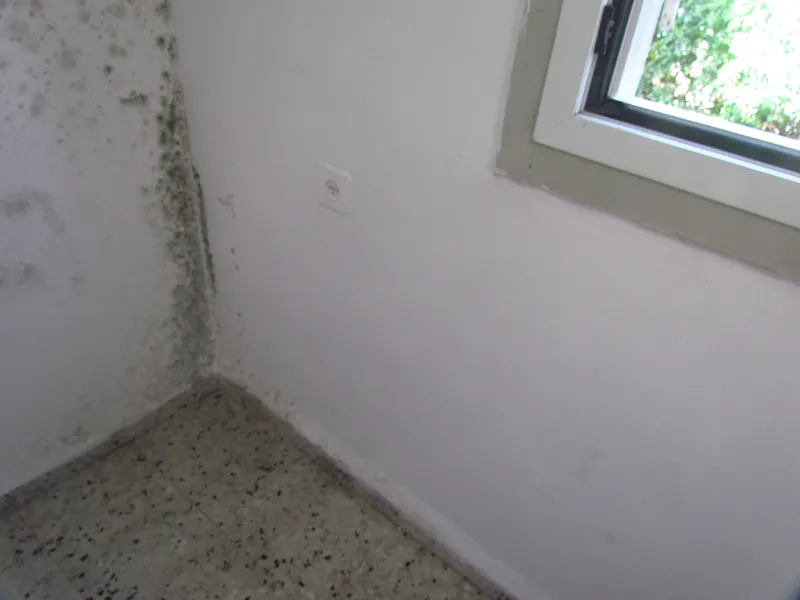
Look for a musty odor, visible spots, stains, paint that bubbles or peels, and materials that warp or will not dry. One of these after a leak says moisture lingers. Two or three together say it is worth opening something up to check.
- Odor. An earthy smell that deepens in a closed house often marks damp material out of sight. The water damage smell guide separates one odor from another.
- Patches. Mold turns up in many colors, so color is a poor guide. Check ceiling corners, baseboards and the foot of walls.
- Stains. A brown or yellow ring proves water reached that spot even when it is dry now.
- Surface trouble. Bubbling paint or wallpaper pulling away at the seams.
- Warping. Cupped floorboards, swollen baseboard or drywall gone soft.
Growth can also hide with no smell at all. A moisture meter is more reliable than a nose, and a drying visit normally includes readings.

Which parts of a house hold moisture longest?
Spots where water soaked in and air barely moves: wall cavities, the layer under flooring, spaces above ceilings, cabinet bases and the area around an air handler. Your house decides which apply, so use the table against what you really have instead of assuming a layout.
| Place | Possible water source | What to look for |
|---|---|---|
| Wall cavities | A pipe or appliance line that failed in the wall | Blistered paint near the floor, an odor with no visible cause |
| Under carpet and flooring | Washer, dishwasher or toilet overflow, a supply leak | Cupped boards, lifting seams, a damp floor |
| Ceilings and attic | A roof leak, an attic pipe, an AC drain line | Stained or sagging ceilings, dark patches on framing |
| Cabinet bases | Supply lines, drains and dishwasher hoses | Swollen cabinet floors, warped panels |
| Air handler and ducts | A clogged condensate line or wet drip pan | A musty smell when the system starts, water by the unit |
| Crawl space, if yours has one | Plumbing leaks or ground moisture | Damp insulation, a musty smell coming up through the floor |
Carpet pad keeps water below the surface, so read wet carpet drying. For stains overhead, see ceiling water damage repair, and for a wet drip pan, AC leak water damage.
How big a mold patch can I clean on my own?
The EPA puts the line at about 10 square feet, a patch near 3 feet by 3 feet, below which you can usually do the job yourself. Larger areas, growth inside walls, or mold linked to sewage or other contaminated water should go to a professional.
For hard surfaces, the CDC suggests ordinary household cleaner or soap and water, with bleach (1 cup at most per gallon) as an option. Mixing bleach with ammonia or other cleaners is dangerous. Dress in boots, gloves and goggles, and ventilate.
Painting or caulking over mold is a mistake, per the EPA, because it traps damp material beneath. Porous items like ceiling tile and wet insulation usually have to be discarded rather than scrubbed.
Does California license mold inspectors or remediators?
No. According to the California Department of Public Health (CDPH), the state sets no legal training, licensing or certification rules for mold assessors or remediators, and has no regulations covering mold inspection, assessment or remediation. In practice, anyone can offer the service.
CDPH notes that national organizations, including NORMI, NAMRI and the IICRC, issue credentials. It lists them for information only and does not endorse them. It also says no science-based exposure limits for indoor mold exist in the state.
A contractor license still applies to repair and rebuild work. CSLB reports a $1,000 no-license limit since January 1, 2025, counting labor and materials, for people who hire no workers and need no permit. Confirm a license number on the CSLB contractor page, and see choosing a restoration company for more questions.
What should I do right away to keep mold from starting?
Stop the water, then dry and sort what got wet. Speed beats product choice here, since the EPA window for drying is only 24 to 48 hours. If water is anywhere near electricity, safety comes before every other step on this list.
- Close the source. Shut the house valve, or switch off the air conditioner if its drain is overflowing.
- Make power safe. Do not stand in water near outlets or the panel, and have the electricity turned off first.
- Move what you can lift. Rugs, wet boxes and soaked furniture out, so the floor can dry.
- Run fans and a dehumidifier, keeping windows closed on foggy or damp days.
- Photograph first, before discarding anything, for your insurer.
- Read the humidity daily. Over 60 percent means the area is still wet.
- Phone a provider if drywall, insulation or flooring stayed wet, or the water was contaminated.
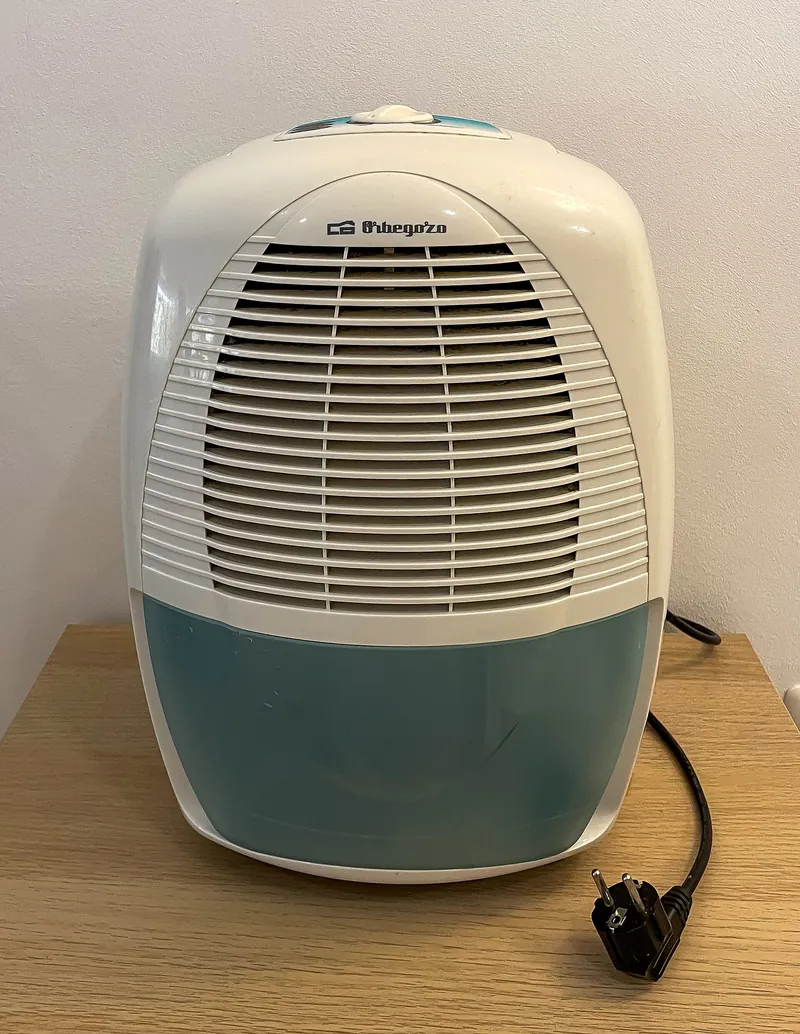

The rent a dehumidifier or hire a pro guide compares the options. With sewage, start at sewage backup cleanup.
What does mold do to health?
Possible effects named by the CDC include congestion, a sore throat, coughing, wheezing, irritated eyes and rashes. Asthma and mold allergy can make reactions severe, and immune-compromised people or those with chronic lung disease may develop lung infections. Effects differ from person to person.
When a household member's symptoms seem linked to one damp area, keep them away from it and speed the drying. Avoid stirring up a big moldy area yourself. Scrubbing or ripping out wet drywall can put spores in the air, so large jobs belong with professionals.
Sewage and outdoor flood water are Category 3 under the IICRC S500, meaning grossly contaminated. The EPA directs owners of buildings damaged that way to a professional who has handled contaminated water. Related reading: allergies after water damage.
Will my California policy pay for mold?
Perhaps. CDI says mold damage from a covered peril may be covered under a homeowners policy, but the NAIC reports that policies often exclude mold damage. Triple-I states that damage from poor maintenance, mold or pests goes unpaid, so wording and cause both matter.
So the origin of the water matters. Mold after a sudden covered loss may be treated differently from mold that grew behind a slow leak left alone. Read the wording of your policy and put the question to your agent.
Drying quickly also heads off most mold disputes. The insurance claims guide covers California claim steps, and the restoration cost guide gives national mold price ranges.
What are a renter's options for mold in California?
Notify the landlord in writing and keep a copy. Health and Safety Code section 17920.3 names dampness of habitable rooms, and visible mold growth as determined by a health or code enforcement officer, among conditions that make a building substandard. Minor mold on surfaces that normally collect moisture is excluded.
CDPH says the housing code requires the owner to fix dampness or mold that threatens health once a code enforcer cites it. Civil Code section 1941.1 ties untenantable dwellings to section 17920.3. Since January 1, 2022, landlords must hand prospective tenants a CDPH mold booklet before a lease.
Photograph the problem and note each date. Our renters and landlords guide covers who pays, and this page is general information, not legal advice.
When is it time to hire help?
Once materials have stayed wet beyond two days, mold spreads past a small patch, or the water source stays hidden. Do it sooner when the water was dirty. A restoration provider can take moisture readings inside materials, which no sniff test can, and can tell you what is salvageable.
This site is an information resource, and restoration teams differ in what they offer. Check directly whether a company handles drying, mold assessment or removal, and request moisture readings with before and after photos.
For active water, go to emergency water damage restoration. For hidden moisture, see signs of water damage.
Sources: EPA brief mold guide; EPA mold cleanup page; CDC mold and health page; CDPH mold FAQ; CDPH renters booklet (2021); CDI residential property claims guide; CSLB press release on AB 2622; NAIC consumer page; Triple-I coverage explainer; IICRC S500; Wikipedia, Lodi. Statutes cited by section number: California Health and Safety Code 17920.3 and Civil Code 1941.1.