The short version
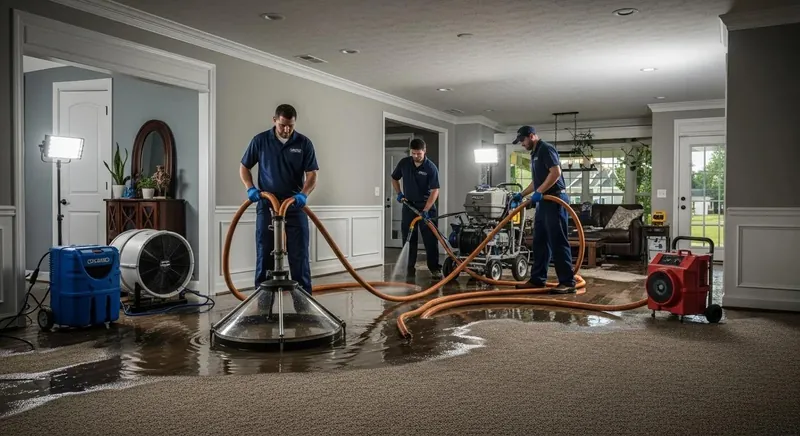
Contents cleaning in Acampo covers the inventory, packing and cleaning of belongings hurt by water, done while the room dries. Hard goods exposed to clean water are often saved; soft goods soaked in outside flood water mostly are not. Photograph first, keep wet electronics off, and ask each provider who does the contents work.
What do contents cleaning and pack-out mean when water hits an Acampo home?
Contents cleaning and pack-out deal with what you own, not what you live in. Someone inventories your things, packs them and carries them out of the wet rooms. Whatever can be saved gets cleaned, and it all returns once the space is dry and rebuilt.
The belongings in question include furniture, rugs, clothing, papers, photos, electronics and kitchenware. For the walls and floors themselves, read structural drying and water mitigation.
Restoration teams differ widely on whether they do contents work at all, so nothing here means a given company offers it.
Do all restoration providers handle belongings?
No. Some clean contents in their own facility, some send them to a partner company, and some only dry the structure and stop. The company that pumps out the water may never touch your furniture, so settle who is responsible before a single box leaves the house.
- Is contents work done by your own staff, or by another company? If another, which one?
- Where do my belongings go, and who is responsible while they are away?
- Will I get an itemized inventory with photographs?
- Is contents priced separately from drying, and can that quote be written down?
- Who approves throwing away an item that cannot be saved?
The guide to choosing a restoration company has more questions for a first call. Always confirm services directly.
How does a pack-out run from start to finish?
It begins with a written inventory and ends when your things are back in a dry, repaired room. Providers order the stages a little differently, but each stage protects either your belongings or your insurance claim. The sequence below is a common one.
- Document the room first. Photograph or film every room and every damaged item before anything moves. The NAIC advises claimants to take photos and video and to list damaged property.
- Sort into three piles. Each item is ranked as savable, doubtful or lost, using the water category and what the item is made of.
- Label everything. Each box or piece gets an ID that matches a written list.
- Move it out. Belongings go to storage or a cleaning facility, which also clears the room for drying.
- Clean by material type. Hard goods, fabrics and paper each need a different method.
- Return it last. Things come back after readings show the structure is dry and the rebuild is done.
A cleared room dries faster, since furniture pushed against walls blocks airflow and wet items left behind keep the humidity up. Belongings usually return last, for reasons laid out on the water damage repair page.

Which belongings can be saved?
Two questions decide an item's fate: how dirty was the water, and how absorbent is the item? IICRC S500 labels supply-line water Category 1, washer and dishwasher water Category 2, and sewage, river flood water and outdoor surface water Category 3, the grossly contaminated class.
That split matters in San Joaquin County, a flat basin with an exceptionally high water table, as Wikipedia describes it. A broken supply line starts clean, while water that came in from outside does not. Treat the table as a rough guide, not a verdict on your own items.
| What it is | After clean water | After outside flood water |
|---|---|---|
| Glass, metal, ceramic | Wash, then dry | Usually cleaned and sanitized |
| Solid wood furniture | Often kept once dry | Judged one piece at a time |
| Sofas, chairs, mattresses | Sometimes cleaned and dried | Most are thrown out |
| Clothing and bedding | Launder | Ask what is safe to wash |
| Books, papers, photos | Dry fast, see below | Keep only the irreplaceable |
| Electronics, appliances | Leave off, have them inspected | Usually replaced |
Sewage sends far more items to the curb, as the sewage backup cleanup and flood cleanup pages explain. The EPA says contaminated water calls for a professional experienced with buildings damaged that way.
How can wet documents and photographs be rescued?
Speed matters most with paper, because wet paper grows mold. Per the EPA, damp items should be dry inside 24 to 48 hours. Ready.gov points to three separate salvage guides, one each for family valuables and heirlooms, books, and documents and papers.
A few habits help with any paper or print:
- Handle wet items as little as possible, and hold them by the edges.
- Keep pieces apart so they do not stick together while they dry.
- Do not scrub mold off anything irreplaceable.
- Set aside deeds, wills and heirloom photos, and tell the provider about them at the start.
Ask whether the provider works with a document recovery specialist, since many do not. Ready.gov also suggests keeping documents in a waterproof container and moving valuables to higher levels, which is worth doing once the cleanup is behind you.
Is it safe to power up electronics and appliances that got wet?
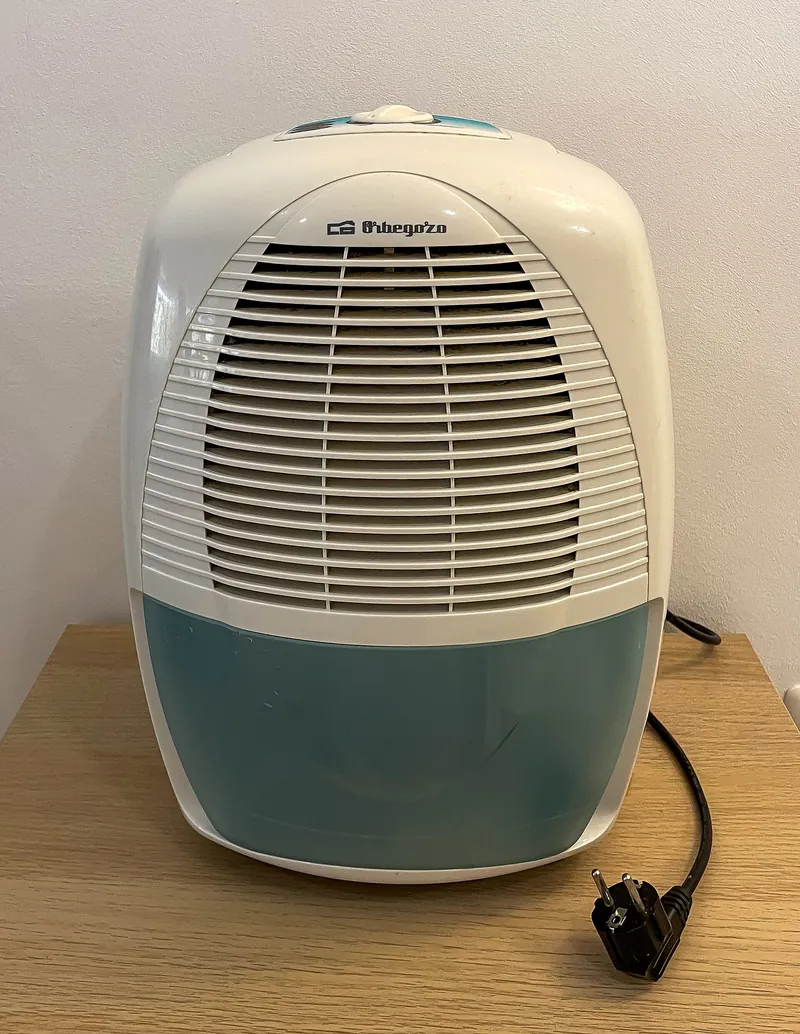
No. Ready.gov warns people off wet electrical equipment, and off any equipment at all while standing in water. Where it is safe, cut the electricity first, then leave soaked devices unplugged and switched off until a qualified person has checked each one.
A set that seems fine after a leak may still fail later. Should water have reached outlets, cords or the panel, call an electrician before plugging in any drying equipment.
Ready.gov also notes that buried or fallen power lines can charge floodwater, and that generators run outdoors only, clear of windows. For appliance failures see the appliance leak guide, and for an air handler above stored boxes see the AC leak guide.
What about sofas, rugs, clothing and groceries?
Dense, hard pieces do best and soft ones do worst. Wood and metal furniture usually cleans up after clean water, whereas upholstery and mattresses absorb water and keep it, which sends most of them to the trash after Category 3 water.
The CDC urges a fast, thorough dry-out, within 24 to 48 hours, and says soaked carpets and upholstery that cannot be dried promptly should come out. Once that window closes, mold is the worry; see mold after water damage.
Rugs and clothes often travel to an outside cleaner, and providers vary on that. Find out where rugs are cleaned and whether you will be consulted before something is written off. Fitted carpet belongs to the building, so it is handled on wet carpet drying.
Food is a safety question, not a salvage one. Ready.gov warns that floodwater can be contaminated, so food that sat in it should be treated with caution, and a pharmacist can advise on wet medicine.
How should belongings be recorded for a California claim?
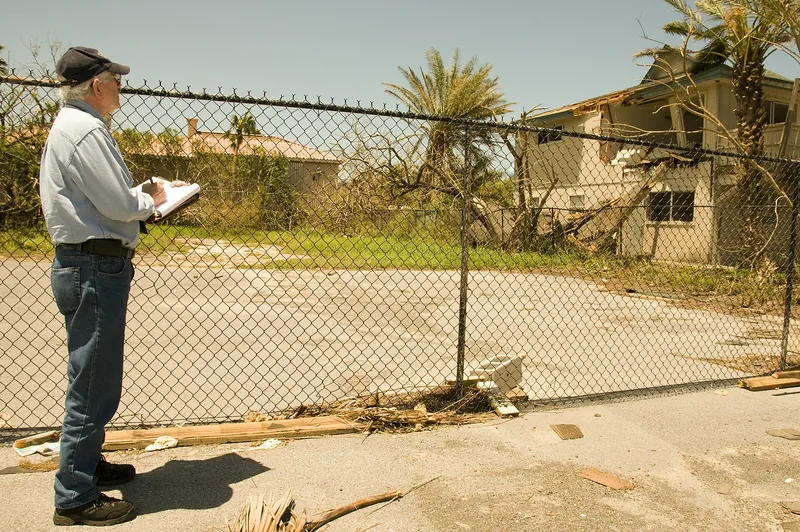
Before anything is cleaned or discarded, photograph it and write it down. The NAIC tells claimants to shoot photos and video, prepare a list of damaged property for the adjuster and hold on to receipts. Triple-I says to keep damaged items until the adjuster has come by.
- Record brand, approximate age and replacement cost for each entry where you can.
- Take close-ups of the labels and serial plates on electronics and appliances.
- Check before hauling away anything bulky, and set aside a sample if asked.
- Keep each inventory sheet and receipt the provider gives you.

State regulations give insurers fixed clocks. Section 2695.5(e) of Title 10 requires acknowledgment of a claim within 15 calendar days of notice. Section 2695.7 then allows 40 calendar days from proof of claim to decide, plus 30 calendar days to pay an accepted claim.
Trouble opening a claim is one reason the California Department of Insurance gives for calling its consumer hotline, 1-800-927-4357. The insurance claims guide walks through the whole process.
Who covers the cost of contents work?
Often the insurer does, provided the policy covers the cause of the loss in question. Contents usually appear as their own line on an estimate, and policies set separate limits for personal property. This site does not quote provider prices.
Ask any provider to split contents charges from structural ones in writing. If you pay out of pocket, request an itemized quote before the boxes leave.
According to the California Department of Insurance, a homeowners policy leaves out flood but does pay for other water damage. Triple-I adds that standard renters policies also exclude flood, so a tenant needs a separate flood policy for that risk. The flood versus homeowners insurance page explains the gap, and the restoration cost guide gives national price ranges.
Why do winter storms matter for belongings stored at home?
Because storms can wet many homes at once, and providers may be stretched. NOAA says that in the west coast states about 30 to 50 percent of annual precipitation falls in just a few atmospheric river events. Late December 2022 and January 2023 brought nine of them, and NESDIS reports flooding in the Central Valley.
Wikipedia puts Stockton's annual rain at 13.45 inches, nearly 95 percent of it from October through April, and Lodi's winters are cool and wet with dense fog. A roof or window leak in that season can wet boxes stored on a garage floor or against an outside wall.
Plan ahead where possible. Keep papers and keepsakes in sealed plastic bins, off the floor, and away from walls that share plumbing. The atmospheric river prep page covers the wider picture.
What should you do with belongings in the first hours?
Put safety first, then record the scene, and only then move what is safe to move. Never wade through standing water carrying a load, and never carry things into a room with live power. These steps cover the stretch before a provider arrives.
- Cut power to wet areas only if that is safe, and keep out of standing water.
- Record each room and each damaged object on camera before moving anything.
- Raise dry goods, papers and electronics off wet floors onto counters or tables.
- Put irreplaceable papers and photos aside and tell the provider about them.
- Hold on to damaged items until the adjuster visits, per Triple-I.
- Phone your insurer, then ask the provider who deals with contents.
The emergency water damage page covers the first hour for the building itself, and the photo checklist shows what to capture.
Where do belongings go during a pack-out?
Each provider does it differently. A warehouse, rented storage units and a dry room in your own house are all possible. Ask which applies, get the inventory in writing, and learn who is liable for the items in transit and in storage.
Communities that send requests through this site are listed on the service areas page, though contents services differ by provider. Unfamiliar terms on the phone are explained in the water damage glossary.
Sources: IICRC S500 overview; Ready.gov flood page; EPA mold and moisture guide; EPA mold cleanup page; CDC mold and health page; NAIC consumer page; Triple-I on settling claims; Triple-I on covered disasters; 10 CCR 2695.5; 10 CCR 2695.7; California Department of Insurance claims guide; NOAA Research on atmospheric rivers; NOAA NESDIS, Atmospheric Rivers Hit West Coast; Wikipedia, San Joaquin County; Wikipedia, Stockton; Wikipedia, Lodi.