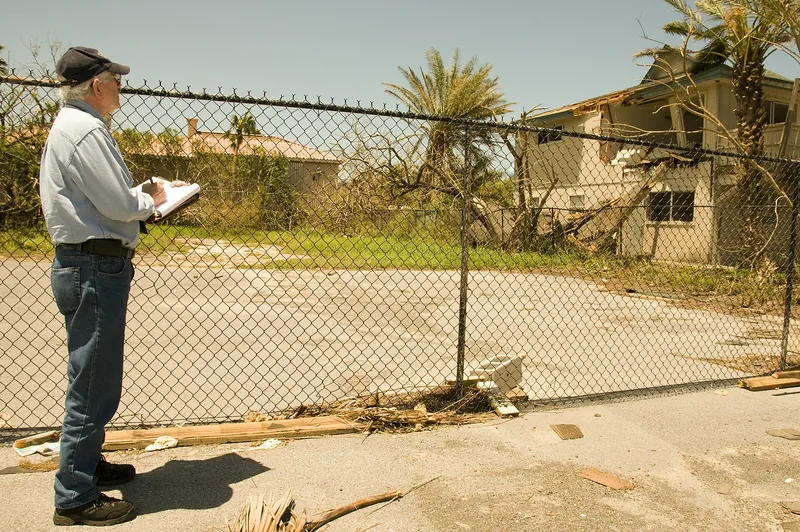
The short version
Buying a water damaged house near Acampo can work when the cause is known, the repair is documented and the home can be insured. Read the California seller forms, look up the flood zone, add a moisture-focused inspection and get homeowners and flood quotes before you close.
Is buying a water damaged house near Acampo a good idea?
It can work, provided you understand the cause, the extent and the chance of a repeat. Buying a water damaged house near Acampo is a risk you can size up with records, an inspection, a flood map lookup and an insurance quote before you sign.
- The cause. A supply line that failed once and was replaced is a different story from a lot that takes on water every wet winter.
- The repair. Ask who did the work, whether permits were pulled and whether photos and invoices exist.
- The odds of a repeat. A past loss says something about the house and about the neighborhood around it.
Never guess a repair bill from a stain. Collect written estimates, and use the restoration cost guide to see how national price ranges are built.
What must a California seller disclose about water damage and flooding?
For a sale of single-family residential property, California requires written seller disclosures. Civil Code 1102 applies the disclosure article to sales, exchanges and similar transfers, and says any waiver of its requirements is void. The standard form is the Real Estate Transfer Disclosure Statement in Civil Code 1102.6.
A separate natural hazard disclosure sits in Civil Code 1103. Based on that section, a seller or the seller's agent must say so when the property is in one of these areas, with some conditions on knowledge or posted notices:
- A special flood hazard area, meaning a FEMA Zone A or Zone V designation.
- An area of potential flooding from dam failure inundation, under Water Code 6161.
- Non-water hazards too: very high fire severity, earthquake fault and seismic hazard zones.
Water heaters have their own rule. Under Health and Safety Code 19211, a seller must certify in writing that the heater is braced, anchored or strapped as the law requires. These forms record only what the seller knows, and statutes change, so ask a California real estate attorney what applies.
How do I check an address's flood history and flood risk?
Start with the seller's forms, then look the address up yourself. FEMA publishes flood maps you can search by address through its Map Service Center, and the state's DWR runs a flood risk tool called MyFloodRisk. Compare both with an insurance quote and ask the neighbors what they have seen.
| Source | What it can show | What it can miss |
|---|---|---|
| Seller disclosure forms | What the seller knows about water, drainage and mapped hazard areas | Events before the seller bought, or anything unknown to them |
| FEMA flood map lookup | The mapped flood zone for the address | Drainage trouble on a single lot or street |
| Insurance quote | How an insurer rates the property and what it will cover | The reason behind a rate, unless you ask |
| Permit records at the city or county | Whether plumbing, roofing or drywall work was permitted | Unpermitted repairs, which leave no record |
| Home inspection | Stains, moisture and defects visible on the visit day | Damage that dried or sits behind finished surfaces |
California's insurance department notes that a new flood policy starts 30 days after purchase, unless a federally regulated lender requires cover in a designated high-risk area. Start the shopping early.
Why does flood risk matter to a buyer near Acampo?
San Joaquin County is a very flat, low basin with an exceptionally high water table, and it tends to flood in spring when Sierra snowmelt runs off. Acampo sits about 5 miles north of Lodi, so a buyer here should ask about drainage instead of assuming a dry lot.
The Mokelumne River passes Lodi, with Pardee Dam (1929) upstream and Camanche Dam (1963) below it, built mainly for flood control downstream. Dams reduce risk but do not remove it, and a map lookup will show whether an address falls in a mapped zone.
Winter adds pressure. In the west coast states, NOAA says a few atmospheric river events bring roughly 30 to 50 percent of a year's precipitation. Lodi's winters are cool and wet, often foggy.
Our atmospheric river prep page covers the storm side, and creek and river flooding covers rising water.
What signs of past leaks can I spot while touring a house?
Use your eyes and nose on stains, soft spots and anything that looks freshly covered up. One bright patch of paint in a worn room is worth a question. Take a slow lap of every room and the garage before you open closets and cabinets, then circle back to anything that bothered you.
- Brown rings on a ceiling. The roof, a plumbing line or an air conditioner drain may have leaked, then or now.
- A stale, earthy smell. Moisture may sit in a wall cavity or beneath flooring, as covered in water damage smell.
- Floorboards that cup or lift. Moisture in or under the floor is the usual reason.
- New baseboards or drywall low on one wall. That pattern can mean a leak or flood repair, so ask.
- Spongy cabinet bottoms under sinks. A slow drain or supply leak is likely.
- Fresh caulk or paint around tubs and windows. Ask what was covered.
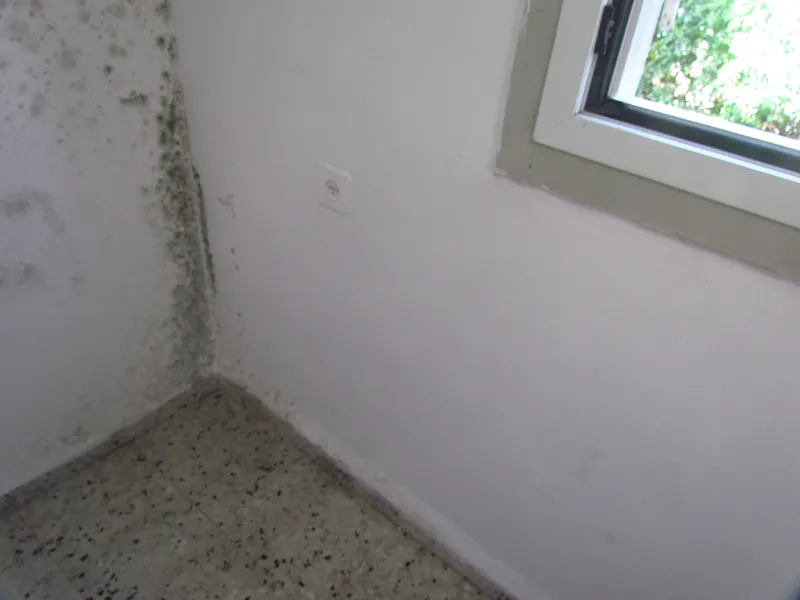

If the house has a crawl space or an attic, ask the inspector to look in both, because slow leaks tend to hide there. A longer checklist lives in signs of water damage.
How far does a home inspection go on moisture problems?
A general inspection is visual and covers what the inspector can see and reach during the visit. That includes stains, active leaks and conditions that could invite moisture trouble. Cutting into walls or pulling up flooring usually sits outside the job.
So hidden damage can get past it. Water behind finished walls may leave no sign once it dries, and nothing drips on inspection day. A tidy plumbing section is not proof that water never got in.
Look in the report for wording such as staining noted, signs of prior moisture or further evaluation recommended. Chase any of those down before closing. The photo checklist helps you document what you see, and a moisture-focused visit can add actual readings.
Which insurance quotes should I request before closing?
Ask for both homeowners and flood quotes while you can still back out. FEMA says most homeowners insurance does not cover flood losses. Triple-I says flood and sewer backup are bought separately, and the numbers show what the house costs to carry.
The California FAIR Plan deserves attention if standard cover is hard to find. The Department of Insurance describes it as a bare-bones residential policy covering fire and smoke, so water damage cover must come from an additional policy. Per the Department's statement, plan to buy that separately.
- Ask the agent for the flood zone and any known past claims at the address.
- Request both quotes before your contingency period ends.
- Ask about the waiting period before a new flood policy starts.
- Ask about sewer backup cover as an endorsement.
- Ask the seller for claim paperwork they are willing to share.
The Insurance Information Institute puts the yearly odds of a water damage or freezing claim at about one in 60 insured homes, so a prior claim is fairly ordinary. The insurance claims guide covers what follows a loss.
What if the seller did not disclose past water damage?
Build the file first: photos, the inspection report, repair invoices, the disclosure forms and any message from the seller or an agent. Your options turn on the contract and California law, which a guide like this cannot interpret. A California attorney can review a specific case.
Hold off on repairs that erase evidence until everything is photographed. Where an insurance claim is in play, call the insurer before major work begins.
Treat the two disputes separately. A quarrel with a seller is a legal matter, while a quarrel with an insurer can go to the Department of Insurance at 1-800-927-4357. It also posts online and printable complaint forms.
What if I discover damage after the keys are mine?
Stop the water, document the scene and phone your insurer before any big repair. Soft spots often surface only after the furniture goes in. The clock matters, since the EPA puts the drying window at 24 to 48 hours to head off mold.
- Turn off the water to the affected fixture, or at the main shutoff. Prevention steps show where valves usually sit.
- Photograph and film everything with dates before any cleanup.
- Phone your insurer. Triple-I advises protecting the property from more damage and holding major permanent repairs until the adjuster visits.
- Pull the inspection report and seller forms and mark what they noted.
- Get the area dried and keep every receipt.
Outside flood water counts as Category 3, or grossly contaminated, in the IICRC S500 standard, so read flood cleanup before touching it. Services vary by provider, so ask each one.
How should a seller handle a house with past water damage?
Repair the cause, dry the structure, keep records and disclose what you know. A documented repair is easier to sell than an unexplained stain. Buyers and inspectors spot patches, and a straight account causes far fewer problems than a mystery that surfaces during escrow.
- Stop the leak before anything else. A wet house with a live leak just resets the clock.
- Dry thoroughly. Moisture readings and a drying log show the job is finished, and structural drying explains the method.
- Hand the buyer the paper: invoices, photos and any warranty.
- Fill in the disclosure forms honestly, after reading disclosing water damage when selling.
For hiring help on the repair, choosing a restoration company lists the questions to ask. CSLB, the state contractor board, says an unlicensed person may do jobs up to $1,000 only if they hire no workers and need no permits.
Note that each local water damage restoration team you reach decides its own terms.
Sources: California Department of Insurance, Flood Insurance Resources; CDI statement on the FAIR Plan; CDI, file a complaint; FEMA, flood insurance FAQ; Insurance Information Institute, homeowners and renters insurance statistics; Triple-I, settling claims; NOAA Research, atmospheric rivers; EPA, mold and moisture; IICRC S500; Mokelumne River; CSLB press release 24-21. Statutes cited by section: Civil Code 1102, 1102.6 and 1103, Health and Safety Code 19211, Water Code 6161.