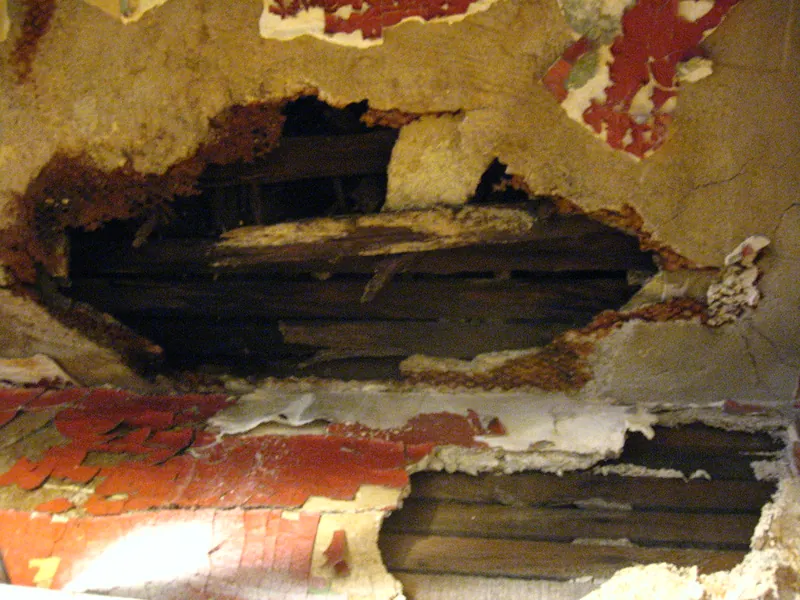
The short version
After renter water damage in Acampo, stop or report the source, tell the landlord in writing, photograph everything and protect your belongings. Renters insurance usually pays for belongings, not the building, and flood is excluded. California rules cover landlord repairs and insurer deadlines.
What should I do first with renter water damage in Acampo?
Stop the water if you can reach the source, then tell your landlord in writing. Both moves come before any cleanup. A tenant seldom controls the roof, the main line or the unit upstairs, and an owner cannot repair a leak that was never reported.
- Turn the stop valve at the fixture if a supply line is the source. A leak that comes through a ceiling or wall is a call to the maintenance number in your lease.
- Put the report on paper. A text, an email or a portal message works, even after a phone call. Say which room, what you saw and when.
- Take photos and video of the source, the wet surfaces and the belongings that got hit, before you shift anything.
- Get belongings off wet floors, but hold on to ruined items until they are documented.
- Stay away from outlets near standing water. Ask the owner to cut power to that area.
Mold usually does not take hold when wet materials dry in 24 to 48 hours, according to the EPA. A dated report shows when your clock began.
Who pays for water damage in a rental, the landlord or the tenant?
The answer follows the source of the water and the cause of the leak. In general the owner answers for the building and the tenant for personal property. The table sketches that split, but your lease and the facts decide a real case, and none of it is legal advice.
| Where the water came from | Tenant | Landlord | Condo owner or association |
|---|---|---|---|
| Roof or exterior wall leak | Own property only | Roof, wall and ceiling repair | Association, usually for the roof and outer shell |
| Pipe inside a wall | Own property only | Pipe and wall repair | Turns on whether the line feeds one unit or many |
| Leak from a unit above | Own property only | Shell and shared parts | The upstairs owner's policy may respond |
| Water heater or AC drain overflow | Own property only | The appliance and what it soaked | Unit owner when it serves only that unit |
| Sewer or drain backup | Property loss, often uninsured | Building drain lines | Association, for shared drain lines |
| Flood water from outside | Property loss, usually excluded | Structure repairs | The master policy may be silent on it |
A tenant who caused the leak, say by leaving a tub running, can end up owing for it. A California attorney or a tenant aid group can weigh in on a specific dispute.
What does California law require a landlord to keep in working order?
A California rental counts as untenantable when it lacks certain basics, and two of those basics involve water. Civil Code 1941.1 names effective waterproofing of the roof and exterior walls, plus plumbing that met the law when installed and stays in good working order.
Section 1941.1 also reaches Health and Safety Code 17920.3. That code lists dampness of habitable rooms and visible mold growth as conditions that make a building substandard. The CDPH renter booklet says the owner must fix them when they endanger health, and minor mold on surfaces that normally collect moisture is carved out.
What this means in practice:
- A roof or plumbing leak is a repair request. Send it in writing and keep a copy.
- Lingering dampness counts as well. A wall that stays wet after repeated reports is grounds to contact local code enforcement.
- Check your lease for notice terms and follow them so your record is clean.
Withholding rent, deducting repair costs and breaking a lease each follow separate rules. A tenant aid group or an attorney can read your lease first.
Does renters insurance cover water damage in California?
A renters policy is aimed at your belongings, not the building. A pipe that wrecks your sofa, laptop and clothing may lead to reimbursement, subject to limits and the deductible. The walls, floors and ceilings are the owner's, and the owner's insurer handles them.
The Insurance Information Institute (Triple-I) says standard forms name accidental discharge or overflow of water or steam as a named peril, whether it escapes from plumbing, heating, cooling or an appliance. It also says flood is excluded from standard homeowners and renters policies, and sewer backup is a separate product or endorsement.
Maintenance failures and mold fall outside coverage too, per Triple-I. The California Department of Insurance says in its earthquake insurance brochure that renters and condominium policies do not cover floods either. A tenant who wants flood protection needs a separate policy, and flood versus homeowners insurance explains the difference.
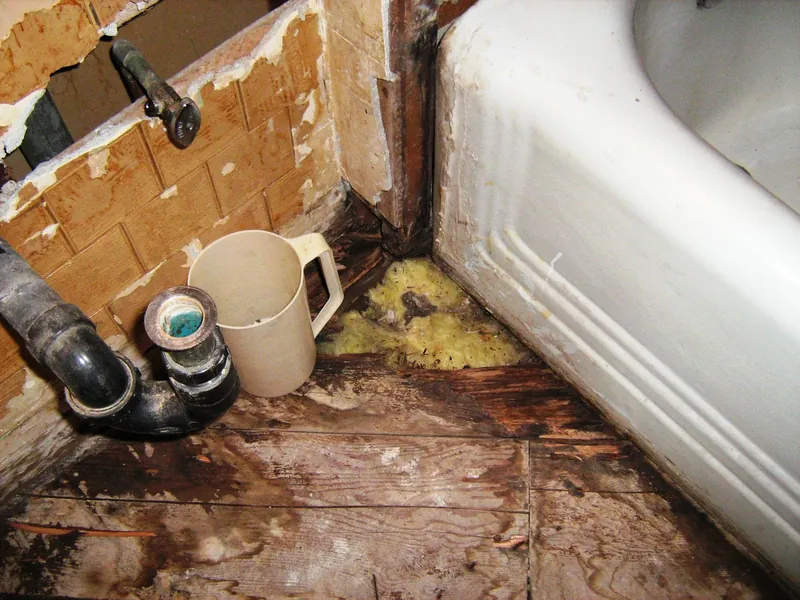

What if the leak comes from my neighbor's unit?
Tell your landlord or association, shut off any source within reach and record the damage in your own unit. The upstairs owner or their insurer may cover building repairs, while your policy may cover your property. Commit to no payment until your insurer has weighed in.
Speed matters more than blame in the opening days. Water in a wall cavity keeps spreading while two parties argue.
- Request a written finding from the building on where the water started.
- Keep dated copies of messages, photos and receipts.
- Check with your insurer before you pay or accept anything.
A sagging ceiling needs care, so see ceiling water damage repair. For the plumbing side, see burst pipe water damage.
Who handles water damage in a condo or HOA community?
In most California condo projects the association handles the common area and each owner handles their own unit. Civil Code 4775 sets that default unless the declaration says otherwise. Because the declaration and the master policy draw the real line, request both before anything goes wrong.
Under section 4775 the association maintains and repairs the common area. It also owns repairs that restore gas, heat, water or electric service when the problem starts in the common area, while the unit owner maintains the separate interest. The board has 14 days from an interruption to begin the repair process, though a declared emergency that materially hampers the association lifts that duty.
- Request the master policy summary and see whether it reaches interior walls and fixtures or stops at the shell.
- Read your own owner policy for what fills the gap.
- Notify the association and your insurer in writing at the same time.
The same section puts the cost of temporary relocation during association-side repairs on the affected owner, which is one more reason to read the documents early.
How do I deal with mold in a rental near Acampo?
Put damp spots in writing and get your own belongings dry quickly. The EPA puts the target at 24 to 48 hours for wet areas and items, and it recommends indoor humidity under 60 percent. You cannot repair the structure, but you can keep records and keep air moving.
Painting or caulking over mold is a mistake, the EPA warns, and sewage or other contaminated water calls for a professional. Per the CDC, asthma or a mold allergy can bring severe reactions, so tell the owner in writing about anyone with breathing trouble.
Since January 1, 2022, Health and Safety Code 26148 has required landlords to hand prospective tenants a CDPH booklet on mold and dampness before the lease. Its core message: control the dampness, you control the mold. For signs to look for, read mold after water damage.
How fast must an insurer respond to a water damage claim?
California regulations put insurers on a clock. Once a claim is reported, the insurer must acknowledge it and start investigating within 15 calendar days at most. After it receives proof of claim, it has up to 40 calendar days to accept or deny, and any denial has to be in writing.
Those limits sit in 10 CCR 2695.5(e) and 2695.7(b). Payment after acceptance is due within 30 calendar days under 2695.7(h). An insurer that needs longer must send written notice, then repeat it every 30 calendar days.
The California Department of Insurance urges you to report water damage claims immediately. If you struggle to open a claim, its consumer hotline is 1-800-927-4357. Our insurance claims guide covers the full sequence.
Can a tenant hire a restoration provider without the landlord?
The owner normally picks who works on the building, so a tenant should not sign off on structural repairs. A tenant can ask a provider about drying personal items or about the unit itself. Restoration teams differ in what they take on in rentals, so confirm directly.
Ask what the provider would do inside your unit, whether moisture readings are taken, how the work is documented for an insurer and who gets the bill. Water removal and structural drying explain the work. Choosing a restoration company covers comparing providers, and signs of water damage helps you catch trouble early.
About 28.4 percent of Acampo's 102 households rent, according to the 2020 census figures, so tenants here are not rare. Nearby Lodi, with 66,348 people in 2020, has far more rental housing to choose from.
Remember that each restoration team you reach sets its own terms.
Sources: California Department of Insurance, Residential Property Claims Guide; CDC, About Mold and Your Health; Triple-I coverage article; CDI, Earthquake Insurance; 10 CCR 2695.7; 10 CCR 2695.5; CDPH, Dampness and Mold for Renters; EPA, cleanup page; EPA, moisture guide; Acampo, California (2020 census). Statutes cited by section: Civil Code 1941.1 and 4775, Health and Safety Code 17920.3 and 26148.