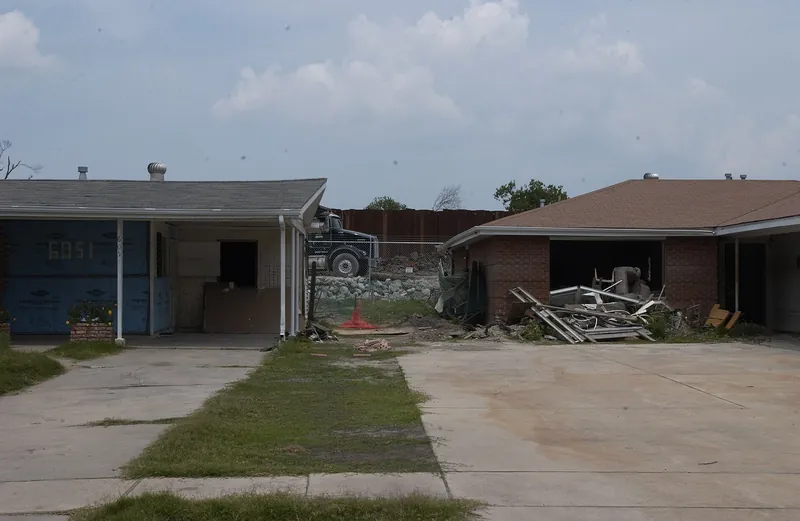
The short version
With roof leak water damage in Acampo, catch the drip, carry belongings out of wet rooms, and photograph every stain before cleanup. Roofers repair the opening, while a restoration provider dries the inside. The EPA puts the drying target at 24 to 48 hours.
What do I do first when storm water gets inside my Acampo home?
Protect people first, then limit the spread, then record what happened. Roof leak water damage in Acampo tends to appear in the middle of a winter storm, when no one can repair a roof. For now, the aim is to keep the wet area small.
- Do not climb onto the roof or into the attic during lightning, strong wind or when surfaces are slick.
- Empty the space below the drip, including rugs, furniture and electronics.
- Shut off the circuit for a room where water is running through a fixture or outlet, and only if the panel is reachable while you stand on dry ground.
- Put buckets and towels in place. A ceiling swollen with water calls for the steps in ceiling water damage repair.
- Take photos and video of drips, stains and damaged items, with the date and time.
- Call the insurer as soon as conditions allow, follow with a roofer, and ask about a restoration provider if insulation, walls or flooring are wet.
Drying begins in earnest once the opening is covered. The emergency water damage restoration page describes that sequence.
Where does storm water get into a house?
Water follows gravity and finds the weak point: a worn roof covering, a flashing joint, a vent or a gap around a window. It often travels along rafters before it drips, so the stain on a ceiling can sit far from the real opening.
| Entry point | What you may see | Safe first step | Who fixes it |
|---|---|---|---|
| Roof covering or flashing | A brown stain that spreads after rain, damp attic insulation | Place a bucket and photograph the stain | Roofer |
| Roof vent or chimney joint | Drips near a vent pipe or a stain beside the chimney wall | Note where the water lands | Roofer |
| Skylight | Water running down the frame or a ring on the ceiling | Catch the drip and wipe the frame | Roofer or skylight installer |
| Window or door frame | Wet sill, swollen trim, peeling paint below | Towel the sill and lift curtains clear | Window or siding contractor |
| Gutter overflow or downspout | Water at the eaves or a damp wall below | Look for blockage once the rain stops | Gutter or roofing contractor |
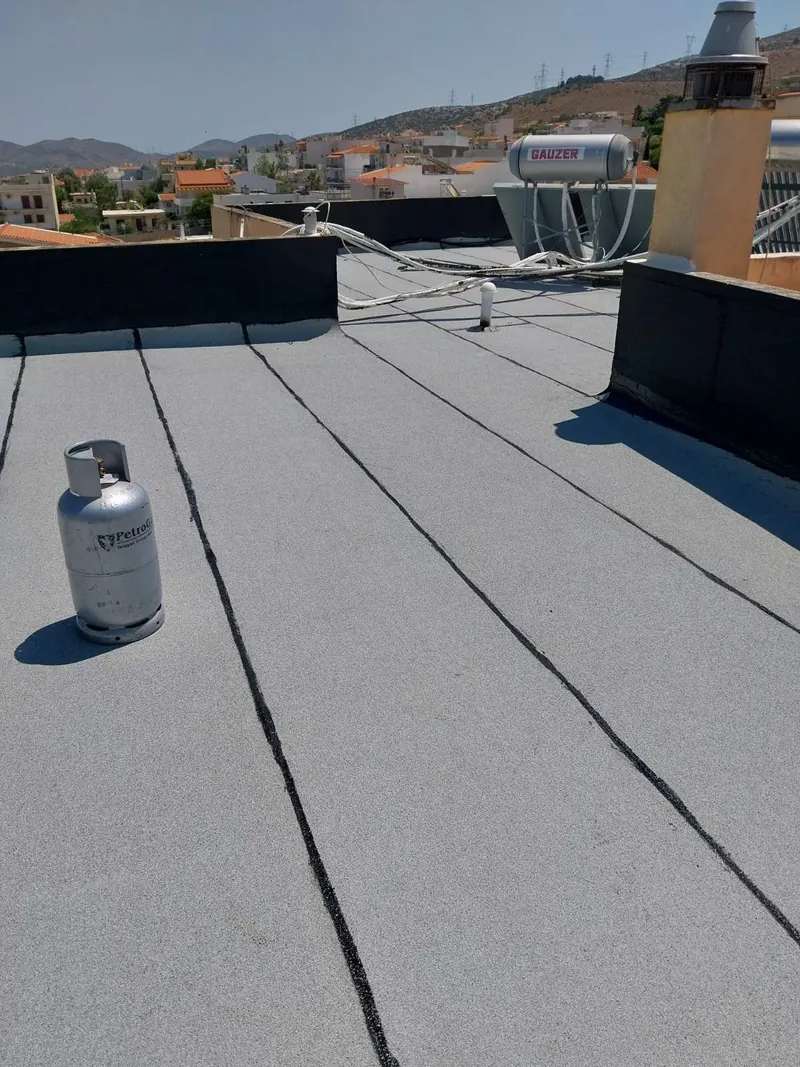
| Flat roof or membrane | Ponding water and a stain right below | Photograph the pooled area from a safe spot | Roofer |

A leaking skylight has its own page, skylight leaks, with causes that differ from the roof field.
Is a roof leak different from wind-driven rain?
Yes, and the difference can matter to an insurer. A roof leak sends water through the roof. Wind-driven rain pushes water sideways through a window, vent or siding gap. Both soak the inside, but the opening and the repair are different.
Describe what you saw as plainly as you can. Say where the water entered, what the weather was doing and when the stain first appeared. Vague notes make a claim harder to sort out.
A restoration provider does not repair the opening itself. That work belongs to a roofer or another trade, and the drying plan starts from wherever the water went.
How do atmospheric rivers affect homes near Acampo?
They bring heavy rain in bursts, and bursts are what test a roof. NOAA Research says that in the west coast states, about 30 to 50 percent of yearly precipitation arrives in just a few atmospheric river events. A long dry spell can hide a roof flaw until one of these storms.
NOAA's satellite service reported that late December 2022 into January 2023 brought a series of nine atmospheric rivers across California, with more than 32 trillion gallons of rain falling across the state. Flooding reached the Central Valley.
- Wikipedia's entry on San Joaquin County describes a very flat basin with an exceptionally high water table and a tendency to flood in spring as Sierra snowmelt runs off.
- Its entry on Lodi describes cool, wet winters, often with dense ground fog, and hot, dry summers.
- Fog and long wet spells keep the air damp, which slows drying and helps mold.
Preparing before the season is cheaper than repairing afterward. The atmospheric river prep guide has a checklist.
When does rain from a storm count as contaminated flood water?
When it rises from the ground instead of falling through the roof. Rain through a ceiling is one case. Water coming up from a creek, river, street or overloaded drain is another. IICRC S500 lists rising river and stream water, plus outside surface water, as Category 3, grossly contaminated.
Cleanup differs a great deal. Porous materials that touched Category 3 water, such as carpet and drywall, are usually removed instead of dried. Workers need protective gear, and the EPA recommends a professional who has handled contaminated water.
Ready.gov gives two benchmarks for moving water: six inches is enough to knock someone over, and one foot can sweep a vehicle off the road. Do not wade through a flooded yard or street to look at damage.
If the cause may be a swollen stream or river, read creek and river flooding. For help sorting out which policy applies, see flood vs homeowners insurance.
Does insurance cover a roof leak or storm damage in California?
Often a roof leak from a covered cause is paid and flood is not. According to the California Department of Insurance, homeowners policies exclude flood yet cover other water damage, with rain entering through a wind-made hole in the roof as its example.
- Wind or storm opening: the NAIC describes roof-leak water damage as typically covered. Ground water, rain runoff and snowmelt are typically not.
- Rising water: FEMA says most homeowners insurance does not cover flooding. The Department of Insurance points to separate flood policies, which take effect 30 days after purchase in most cases.
- Mudslide or debris flow: a 2025 Department of Insurance release says these are typically excluded unless a recent wildfire or another covered peril caused them.
- Wear and neglect: Triple-I notes that policies leave out damage from poor upkeep, so a worn roof can start an argument.
Your own wording decides, so ask your agent which policies apply. The insurance claims guide covers the steps.
What should I record for a storm damage claim in California?
Take photos and video before anything is cleaned up, and tell your insurer promptly. The Department of Insurance advises reporting water damage claims immediately and warns that slow cleanup can let mold grow. Keep a dated log of every call, name and promise.
- Note the storm, its date and the moment you first saw water.
- Shoot the roof from the ground if that is safe, then each stain, wet area and ruined item.
- Hold damaged belongings for the adjuster, which is Triple-I's advice.
- Keep receipts for tarps, buckets, drying and short-term fixes.
- Get written bids that itemize materials and prices.
California sets claim timelines. Section 2695.5(e) of Title 10 gives an insurer 15 calendar days to acknowledge a claim, and once proof of claim is in, section 2695.7(b) sets a 40 calendar day limit for the insurer to accept or deny it. If a claim stalls, the Department's consumer line is 1-800-927-4357.
Which trade handles the roof and which handles the wet interior?
The problems are separate. A roofer closes the opening, and a restoration provider works on the water that got inside. A call here is for the water damage, and each restoration team sets its own services, so ask what yours covers before you agree to anything.
The Contractors State License Board says a job over $1,000 in total, labor and materials together, needs a licensed contractor, and a smaller one still does if it involves hired workers or permits. For home improvement work, a down payment is capped at $1,000 or 10 percent, whichever is less.
CSLB also notes that an emergency repair you request on short notice can fall under a different cancellation rule, so read any contract before signing. Questions to ask any provider are in choosing a restoration company.
Drying can start before the permanent roof repair, provided a cover is on and nothing new is getting in.
What can I do to keep the rooms dry while I wait for a roofer?
A roofer can fit a temporary cover. Meanwhile, you keep the inside as dry as you can. Tarping happens on a steep, slick surface, so leave it to the pro. A fall costs far more than a leak ever will.
- Empty buckets before they fill, so none overflow onto the floor.
- Move belongings out of wet rooms, and lift furniture legs onto foil or blocks.
- Stay out from under a sagging ceiling.
- Save every receipt, since insurers expect reasonable steps to protect the property.
When the water reached wood or laminate, speed matters. Read water-damaged floor repair for what may be saved, and wet carpet drying for carpet and pad.
Can wet insulation and ceiling drywall be saved?
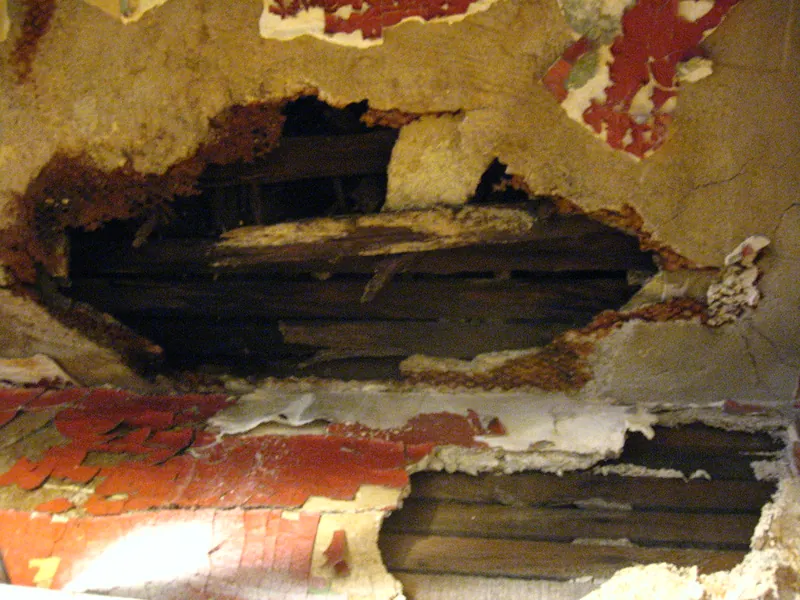
Soaked insulation stops doing its job and keeps water pressed against nearby wood. Drywall that stays wet can sag, stain and crumble. Providers often remove both so the cavity can dry, since a surface that looks dry may still hold moisture deep inside.
- Insulation: soaked batts and loose fill are commonly pulled out, since they dry slowly.
- Drywall: a stained ceiling may be cut out in sections to reach what is wet behind it.
- Framing: studs and joists can dry in place when air moves across them.
A provider uses moisture readings to see how far the water spread, not just where the stain is. The drywall repair guide explains cutting and replacement, and structural drying covers the equipment.
How fast can mold take hold after storm water gets in?
Quickly, when materials stay wet. The EPA's stated goal is for water-damaged areas and items to be dry in 24 to 48 hours, which prevents mold growth. For flood cleanup, the CDC gives a similar 24 to 48 hour target.
The California Department of Public Health says the state has no licensing requirement for mold assessors or remediators, so check any company's claims for yourself. People with asthma or mold allergy can react strongly, according to the CDC.
See mold after water damage for what to look for and when to call for help.
What should I check before the next atmospheric river arrives?
Inspect the roof, gutters and flashing before the wet season, and learn where your shutoffs are. A small repair in a dry month usually beats replacing a ceiling after a storm, and it leaves you time to compare roofers without the pressure of an active leak.
- Clear leaves from gutters and downspouts before fall.
- Look for lifted, cracked or missing roof covering from the ground.
- Check the attic after the first heavy rain for stains or damp insulation.
- Keep a flashlight, buckets and plastic sheeting where you can reach them.
- Photograph each room now, so you have a record of its condition.
The prevention guide has a wider checklist, and the San Joaquin County page lists nearby communities. For the rest of California, see the statewide site.
Sources: NESDIS, Atmospheric Rivers Hit West Coast; NOAA Research; CDI, Residential Property Claims Guide; CDI, Flood Insurance Resources; CDI press release, February 2025; 10 CCR 2695.5; 10 CCR 2695.7; NAIC; FEMA; Triple-I, Which disasters are covered; Triple-I, Settling claims; CSLB press release 24-21; CSLB, Home Improvement Contracts guide; IICRC S500; EPA mold guide; EPA mold cleanup; CDC; Ready.gov; CDPH mold FAQ; Wikipedia entries for San Joaquin County and Lodi.