The short version
Allergies after water damage usually trace to mold, which grows when materials stay wet past 24 to 48 hours. The EPA says mold can trigger allergic reactions and asthma attacks. Dry the area fast, keep sensitive people out, and ask a health professional about symptoms.
Can water damage in a house trigger allergies or asthma?
Yes, indirectly. Wet building materials let mold grow, and mold gives off allergens and irritants. The EPA says inhaling or touching mold spores can cause allergic reactions in sensitive people and can set off asthma attacks in people with asthma who are allergic to mold.
The EPA adds that allergic reactions to mold are common and can be immediate or delayed. Mold can also irritate the eyes, skin, nose, throat and lungs of people who have no allergy at all. So a household member can feel unwell after a leak even if nobody in the family has ever been allergic to anything.
This page is general information, not medical advice. Acampo Water Damage Help is a water damage information resource. If anyone in the home has trouble breathing, the EPA advises talking to a health professional.
What symptoms should I watch for after a leak or flood?
Watch for hay fever-type symptoms that start or worsen after the water event and ease when the person leaves the house. The EPA lists sneezing, a runny nose, red eyes and skin rash. The CDC adds stuffy nose, sore throat, coughing or wheezing and burning eyes.
| Group | What may happen | Who says so | Sensible next step |
|---|---|---|---|
| Most people | Stuffy nose, sore throat, cough, burning eyes | CDC | Limit time in the wet area and dry it quickly |
| People with mold allergy | Sneezing, runny nose, red eyes, rash | EPA | Stay out of the damp rooms and ask a health professional |
| People with asthma | Asthma episodes in those sensitive to mold | EPA and CDC | Avoid exposure and keep to your care plan |
| Weak immune system or chronic lung disease | Lung infections are possible | CDC | Do not take part in cleanup and speak to a clinician |
Ready.gov gives the same warning for flood cleanup: people with asthma, other lung conditions or a suppressed immune system should not enter buildings with indoor leaks or visible or smelly mold. For smells that point to hidden moisture, read the water damage smell guide.
Is it mold making me react, or something else?
It could be mold, but a symptom alone cannot tell you. Colds, seasonal pollen and other indoor irritants cause similar complaints, and none of the government sources used here claims to sort them out from symptoms. A clue is timing: do the symptoms follow a leak and ease away from home?
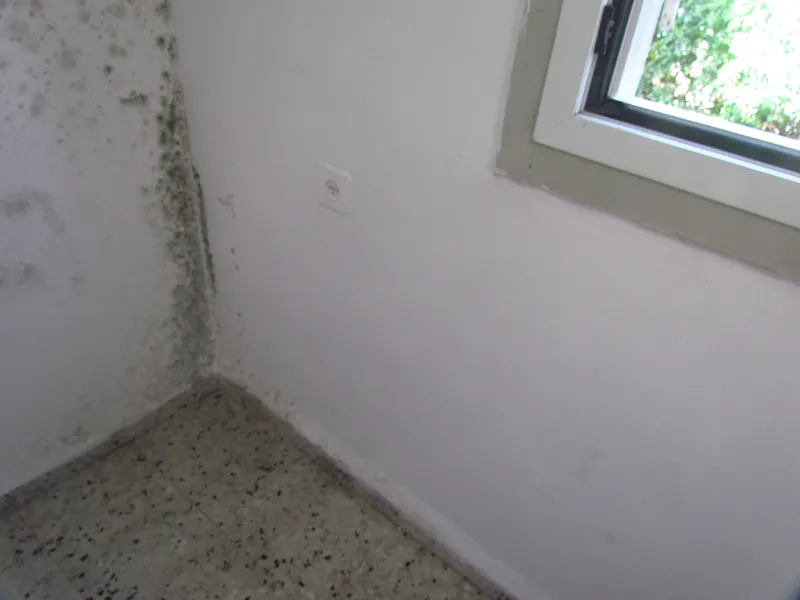

The CDPH booklet for renters names four signs to look for: mold you can see, a mold smell, signs of past leaks, from stains and peeling paint to warped floors and rotting wood, and materials that feel damp. Then check where moisture hides, which the EPA says includes wall cavities around leaking pipes, spots behind furniture, ductwork and the space above ceiling tiles.
The signs of water damage guide walks through a room by room check. If the symptoms are serious or keep returning, a doctor is the right person to ask, not a restoration provider.
How fast does mold start after a leak in a cool, damp climate?
Mold can begin once materials stay wet past the first day or two. The EPA's target is to dry water-damaged areas and items inside 24 to 48 hours, and it says that in most cases mold will not grow if you manage that. Cool, foggy winter weather works against drying, so start early.
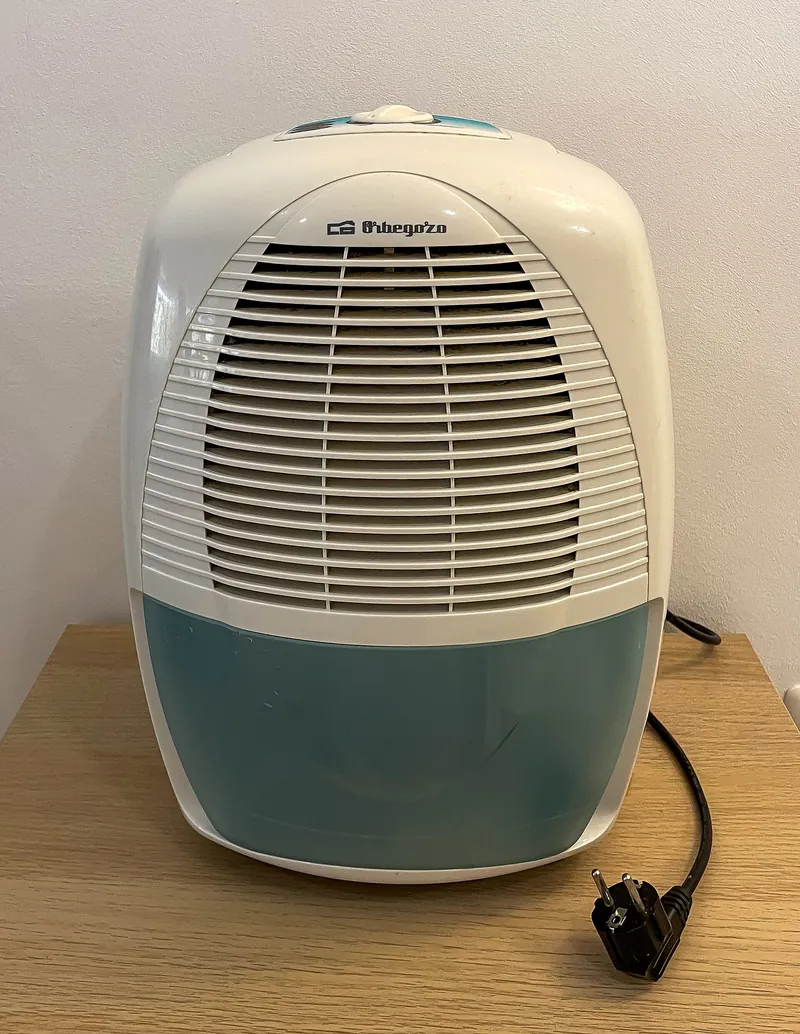
Wikipedia describes Lodi, the closest city, as having cool, wet winters, often with dense ground fog. Damp outside air does little to dry a wet wall. If you can, run a dehumidifier or air conditioner, and use fans to move air across wet surfaces.
The EPA's goal for indoor humidity is under 60 percent, with 30 to 50 percent better still. It describes a humidity meter as a small, low-cost tool found at many hardware stores. The dehumidifier page explains when a rental unit is enough.
How do I cut my exposure while the house dries?
Keep sensitive people out of the affected rooms, stop the water source and get wet material out. Then dry what is left. Work in this order and wear gloves, boots and goggles, since the CDC says to wear rubber boots, gloves and goggles and to open windows when cleaning hard surfaces.
- Stop the source. Close the valve or fix the leak. Mold cannot be beaten while water keeps arriving.
- Move people and pets. Anyone with asthma, allergy or lung disease should stay elsewhere, and children should not help.
- Photograph first. Take photos before anything is thrown out, as the photo checklist describes.
- Remove what cannot be dried. The CDC says to take out soaked carpet and upholstery that cannot be dried right away. The EPA says moldy ceiling tiles and carpet may need to be thrown away.
- Clean hard surfaces. The EPA says to scrub mold off with detergent and water and dry completely. The CDC's mix for hard surfaces is household bleach at no more than one cup per gallon of water, and it warns against combining bleach with ammonia or other cleaners.
- Dry and measure. Use fans and a dehumidifier, then check humidity with a meter.
- Hold off on the HVAC. The EPA says not to run the system if you know or suspect it is contaminated with mold, since it could spread mold through the building.

Do I need an air test or a mold inspector in California?
Not by law. The California Department of Public Health says the state has no rules covering mold inspection, assessment or remediation, no licensing for assessors or remediators and no science-based limits for indoor mold exposure. That makes an air test hard to interpret.
CDPH lists certifications from national organizations such as NORMI, NAMRI and the IICRC strictly for information and does not endorse them. Ask any company for its experience, references and written scope before you agree to work.
Fixing the moisture matters more than measuring the mold. The EPA says if mold is a problem, clean it up and remove the excess water. For the cleanup side, read mold after water damage, and for the inspection question, ask each provider directly about their process.
Can I clean mold myself, and when is it too big?
Often you can, if the patch is small. As a rule of thumb, the EPA says a moldy patch smaller than about 10 square feet (around 3 feet by 3 feet) can in most cases be handled by the household. A larger area, or heavy water damage, needs more than a household cleaner.
Do not paint or caulk over mold, the EPA says, because paint on a moldy surface tends to peel. Clean and dry first. If the water was sewage or other contaminated water, call a professional experienced with such buildings, and see sewage backup cleanup.
If someone in the home has health concerns, the EPA says to consult a health professional before starting cleanup. Another person can do the scrubbing for you.
Does insurance cover mold, and what do renters have?
It varies by policy and by cause. According to the California Department of Insurance, a homeowners policy may pay for mold that results from a covered peril. NAIC notes that policies often exclude mold costs, and Triple-I says mold caused by poor maintenance is not covered.
Report any water loss to your agent or insurer promptly, and keep the claim details in writing. The claims guide shows the sequence.
Renters have a separate protection. Section 17920.3 of the state Health and Safety Code names dampness of habitable rooms and visible mold as substandard housing conditions, other than minor mold on surfaces that normally collect moisture, and CDPH says the owner must fix either one when it is a health hazard. Our renters and landlords page covers the process.
When should I call a restoration provider?
Call when materials have been wet for more than a day, when water is inside walls or when mold covers more than a small patch. Drying early is the surest way to avoid the problem, so a short call is better than waiting to see if the smell fades.
Restoration teams differ in what they handle, so ask each one whether it deals with mold, contaminated water and contents, and ask how it will measure moisture. The team you reach decides its own terms.
Start with the water damage repair page for what happens after drying, or see the guide index for related topics.
Sources: EPA page on mold and health; EPA mold cleanup page; EPA moisture booklet; CDC mold health page; CSLB handyperson press release; Ready.gov, Floods; CDPH mold questions page; CDPH booklet for renters; CDI residential claims guide; NAIC consumer page; Triple-I coverage article; Wikipedia, Lodi.