The short version
Flooding near Acampo is shaped by flat ground in San Joaquin County, an exceptionally high water table, spring snowmelt and wet winter storms. Homeowners policies usually exclude flood, and flood policies wait 30 days to start. Check your address on the FEMA map, and treat flood water as contaminated.
Does Acampo flood from rivers and creeks?
Acampo sits on very flat ground in San Joaquin County, and the county's own profile points to a flood-prone setting. Wikipedia describes a very flat drainage basin with an exceptionally high water table that tends to flood in spring with Sierra snowmelt runoff. That is a county-wide fact, not a verdict on one address.
No source we use gives a flood history for Acampo itself, so this page does not claim one. What it does is explain how water reaches this part of the Central Valley, what that means for a home, and what to do when water comes in from outside.
This site never sees your property, so it cannot judge your lot. Look up your own address on the official maps before deciding how worried to be.
Which waterways matter for homes near Acampo?
The nearest named river is the Mokelumne, which runs past Lodi on its way to the San Joaquin River. Wikipedia says the Mokelumne meanders 34 miles below Camanche Dam to that confluence, and that Camanche Dam was built mainly to provide flood control for downstream communities.
Farther south, the San Joaquin River and the Delta shape flood planning for the whole county. The Delta has about 1,100 miles of levees, according to Wikipedia's Delta article, and a federal study from 2018 warned that without levee upgrades, a San Joaquin River flood could leave much of Stockton under a depth of 10 to 12 feet.
Those figures describe the region, not a forecast for Acampo. They do show why county flood managers pay close attention to levees and dams, and why a quiet farm road can still carry water in a wet year.
What kinds of flooding can reach a home here?
Three kinds matter most: river overflow in a wet spring, street and yard runoff during a heavy winter storm, and groundwater that rises through the soil. Each enters a house differently, and each is treated differently by insurers, so it helps to name what you actually have.
| Type of water | How it gets in | What to know |
|---|---|---|
| River or creek overflow | Water rises over a bank and spreads across low ground toward doors and vents | IICRC S500 treats rising flood water as Category 3, grossly contaminated |
| Storm runoff | Rain that cannot soak in or drain runs against walls, garage doors and low thresholds | NAIC says rain runoff damage is typically not covered by homeowners policies |
| Rising groundwater | A high water table pushes moisture up through floors, crawl spaces and foundation cracks | NAIC lists ground water among the causes homeowners policies typically do not cover |
Read flood cleanup for the work itself and flood versus homeowners insurance for the coverage side.
What does a wet winter mean for Acampo homes?
Winters here are cool and wet. Wikipedia describes Lodi's climate as cool, wet winters, often with dense ground fog, and hot, dry summers. Most of the water arrives in the cold months, which is when roofs, gutters and yard grading get tested.
A few big storms carry much of the year's rain. NOAA Research puts 30 to 50 percent of yearly west coast precipitation inside a handful of atmospheric river events, so one storm can matter more than a season's average.
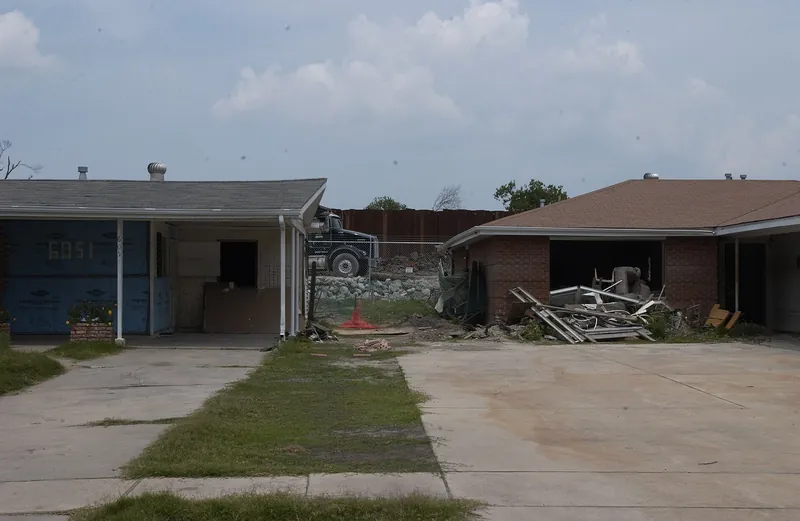

NOAA's satellite service says nine atmospheric rivers from late December 2022 into January 2023 dropped more than 32 trillion gallons of water across California, with flooding in the Central Valley. Our atmospheric river prep guide covers what to do before the next one.
How do I check whether my address is in a flood zone?
Look up your parcel on the FEMA flood map and ask your insurance agent or lender what it shows. FEMA says most homeowners insurance does not cover flooding, so the map result decides whether you should shop for a separate policy before the rains start.
This site does not publish a flood zone for any address, and you should not rely on a rough guess about your street. Maps also change, so a zone you saw in the past may not match the latest version.
If you are buying or selling, the state adds a disclosure step. Under Civil Code 1103, a seller or agent must disclose that a property is in a FEMA special flood hazard area when they know it or the local jurisdiction has posted the required notice. Our disclosure guide explains more.
Is it safe to walk or drive through flood water?
No. In Ready.gov's flood safety guidance, a foot of fast water is enough to carry a vehicle off, and half that depth can topple an adult. Flood water also hides washed-out road edges, ditches and debris, so a road that looks shallow can fail under a car.
The same guidance tells people to wait for the all-clear from authorities before going home, to skip non-emergency driving, and to avoid standing water near wet electrical equipment. A downed line can charge the water around it, so keep well back.
Rural roads around Acampo are often narrow, with ditches on both sides. When water crosses one, turn around and choose another route.
What should I do when flood water enters the house?
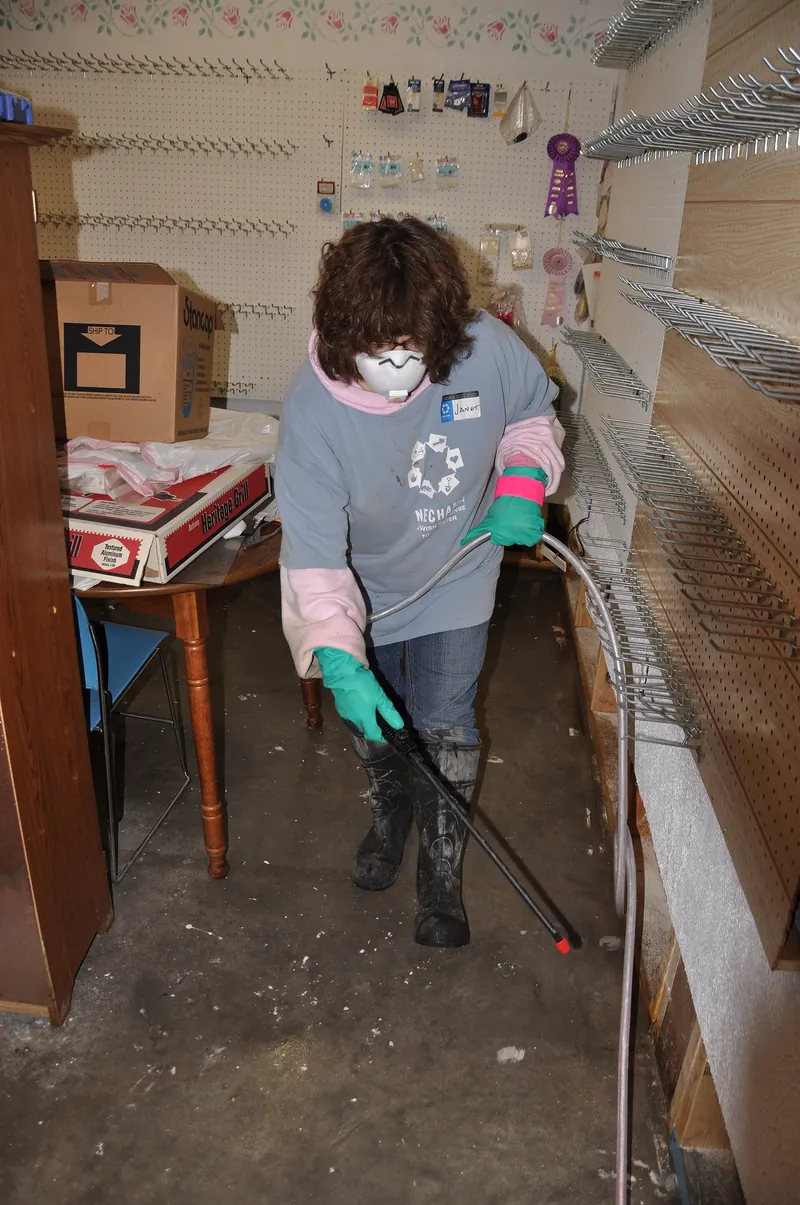
Get people and pets out first, stay out of water that may touch outlets or wiring, and photograph the damage from a safe spot. Then call your insurer and a restoration provider. Flood water is treated as contaminated, so protective gear and fast removal of soaked materials matter.
- Leave the wet area and do not stand in water near outlets, panels or appliances.
- Cut the power only if the panel is reachable on dry footing. Never wade to it.
- Photograph or film the damage and the water line, and keep ruined items on hand for the adjuster, as Triple-I suggests.
- Call your insurer and ask what your policy covers. Flood is usually a separate policy.
- Call a restoration provider with contaminated-water experience. The EPA's mold cleanup page points to that kind of professional for any damage from sewage or other dirty water.
- Start drying early. After a flood, CDC advice is to get the house fully dry in 24 to 48 hours and to haul out any soaked carpet or upholstery that cannot dry fast.

Does insurance pay for river or creek flooding?
Usually not through a standard homeowners policy. In its claims guide, the California Department of Insurance separates flood, which those policies leave out, from other water losses, which they cover. Flood cover is sold apart, so ask your agent whether you have it.
A new flood policy has a waiting period. The CDI's flood resources page puts it at 30 days after purchase, unless a federally backed lender requires the cover in a high-risk area. Decide before storm season, not during it.
A CDI working group on climate and insurance counted fewer than 5 percent of the state's homes with NFIP flood policies in September 2019. Many people assume they are covered when they are not, so ask your agent directly.
How do I protect the house before high water arrives?
Move what you can up, clear the paths water would use, and know your shutoffs. None of this stops a river, but it shrinks the damage from runoff and shallow water. Do the work while the weather is dry, because a flooded yard makes every task harder.
- Clear gutters and downspouts and aim them away from the foundation.
- Check the grading so water slopes away from walls, not toward them.
- Raise valuables and papers off floors and out of low cabinets.
- Photograph rooms and belongings now, so you have a record of how things looked. See the photo checklist.
- Find your main water shutoff and your electrical panel, and show everyone in the house.
Our water damage prevention guide covers the year-round checks that cut the odds of a smaller loss.
How do I dry out and avoid mold after a flood?
Remove wet materials, clean hard surfaces and dry the structure fast. Mold needs damp materials, and the EPA's guide to moisture at home links growth to anything left wet beyond a day or two, so aim for 24 to 48 hours. It also sets indoor humidity targets: under 60 percent, ideally 30 to 50.
For hard surfaces, the CDC lists plain household cleaner or soap and water, or a bleach mix of no more than 1 cup per gallon. It warns against ever blending bleach with ammonia or any other cleaner. Put on rubber boots, gloves and goggles, and keep windows open while you work.
For a larger or hidden problem, a provider can take moisture readings and set up equipment. Read mold after water damage and structural drying to see what that involves, and choosing a restoration company for questions to ask.
Where can I get more help in San Joaquin County?
Start with your insurance agent and the official flood map, then use the county pages here to see which nearby communities this site takes requests from. Restoration teams differ in what they handle and where they travel, so confirm directly before you agree to anything.
See San Joaquin County for the communities near Acampo, or browse every water damage guide. The state site, Water Damage Cleanup California, covers the rest of the state.
Sources: Wikipedia, San Joaquin County; Wikipedia, Mokelumne River; Wikipedia, Sacramento-San Joaquin River Delta; Wikipedia, Stockton; Wikipedia, Lodi; NOAA Research, Atmospheric Rivers; NOAA NESDIS, Atmospheric Rivers Hit West Coast; Ready.gov, Floods; FEMA, Don't have flood insurance; CDI, Residential Property Claims Guide; CDI, Flood Insurance Resources; CDI, Climate Insurance Working Group report; NAIC, Homeowners Insurance; Triple-I, Settling insurance claims; IICRC S500; EPA, Brief Guide to Mold; EPA page on cleaning up mold; CDC page on mold and health.